Role of a Certified Nursing Assistant in Hospice Care
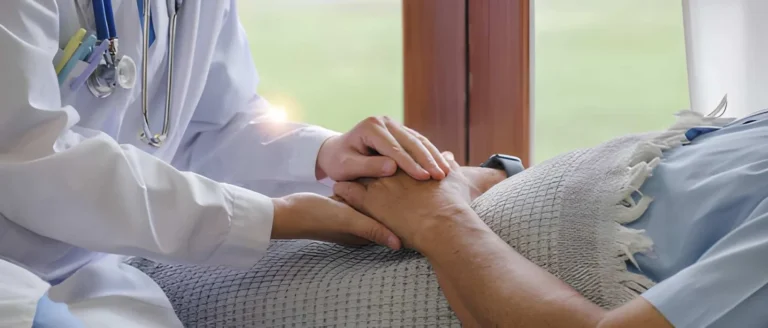
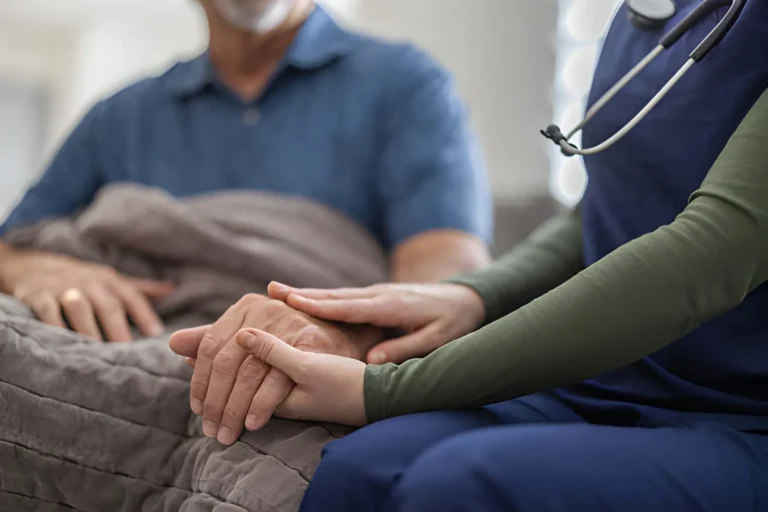
The role of a certified nursing assistant in hospice care centers on the hands on comfort work that fills a patient’s day. The CNA, often called a hospice aide, handles bathing, grooming, mouth care, dressing, toileting, repositioning, and help with eating and moving. They visit two to five times a week, usually for forty five to ninety minutes, and they report any change they notice to the nurse. This is the team member most families see most often, and the one their loved one is most likely to trust with their dignity.
Who the Hospice Certified Nursing Assistant Is?
A certified nursing assistant has completed a state approved training program and passed a competency evaluation covering personal care, safety, infection control, and patient rights. In hospice, the same person may be called a hospice aide or a home health aide depending on the agency.
The CNA works under the direction of the registered nurse who manages the case. The nurse writes what the aide will do into the plan of care, and the aide follows it on every visit. Nothing in that plan changes without the nurse.
Training continues after hiring. Medicare rules require ongoing education each year, usually at least twelve hours, so aides stay current on safe transfers, skin care, and end of life changes. Hospice aides also receive instruction specific to dying patients, which general nursing assistant training does not always cover.

The Main Duties of a Hospice CNA
Five areas account for nearly everything a hospice aide does during a visit.
1. The CNA Handles Bathing and Personal Care
Bathing is the core task and often the longest part of the visit. The aide gives a bed bath, a shower, or a partial wash depending on what the patient can tolerate that day. Grooming goes with it. Hair washing, shaving, nail care, clean clothes, and fresh linens all restore a sense of normal life for someone who can no longer manage it alone. Mouth care matters just as much, since dry mouth becomes common when a patient stops drinking normally.
Dignity drives how all of this is done. A good aide keeps the patient covered, explains each step before starting, and works at the patient’s pace rather than the clock’s.
2. The CNA Protects the Skin and Repositions the Patient
Skin breaks down quickly in patients who spend most of the day in bed. Pressure sores can form within hours over the heels, hips, tailbone, and shoulders. The aide turns and repositions the patient, places pillows to relieve pressure points, keeps skin clean and dry, and applies barrier cream where the nurse has directed it. They also check the skin at every visit, since they see more of it than anyone else on the team.
Early reporting prevents most serious wounds. A reddened area the aide mentions on Tuesday is a far smaller problem than an open sore found the following week.
3. The CNA Helps With Eating, Drinking, and Mouth Care
Appetite falls as illness advances, and mealtimes get harder. The aide helps the patient sit upright, offers small amounts at a comfortable pace, and watches for coughing or trouble swallowing. Hydration takes the same careful approach. Sips, ice chips, and mouth swabs often replace full glasses in the final weeks, and the aide reports back on how much the patient managed.
Food becomes less about nutrition over time and more about comfort and pleasure. A few bites of something familiar can matter more than a finished plate.
4. The CNA Assists With Movement and Transfers
Safe movement protects both the patient and the family. The aide helps with transfers from bed to chair, walking short distances, and gentle range of motion for stiff joints.
They also teach by example. Family caregivers learn proper transfer technique by watching the aide do it, which prevents the back injuries that sideline so many caregivers. Our guide on how to prepare your home for hospice care covers the room setup that makes those transfers safer. Equipment makes a difference here. Gait belts, bed rails, and a properly positioned hospital bed turn a two person job into a one person job.
5. The CNA Watches for Changes and Reports Them
Observation may be the most underrated part of the role. The aide sees the patient’s whole body, up close, several times a week. They report new redness, swelling, bruising, changes in breathing, confusion, pain during movement, reduced intake, and shifts in mood. That information goes straight to the nurse, who decides what happens next.
Many clinical changes reach the care team through the aide first. The nurse visits once or twice a week, while the aide may be there four times.
What a Hospice CNA Cannot Do?
Scope of practice protects patients, and families should know where the lines fall. Knowing them also saves you from asking the aide for something they are not allowed to give.
| Task | Hospice CNA | Registered Nurse |
|---|---|---|
| Bathing, grooming, dressing, toileting | Yes, this is the core of the role | Sometimes, though usually the aide’s work |
| Repositioning and skin checks | Yes, at every visit | Yes, with a full assessment |
| Giving medications | No, though they may remind or assist within state rules | Yes, including dose changes with the physician |
| Clinical assessment and care planning | No | Yes, this is the nurse’s responsibility |
| Sterile wound care | No | Yes |
| Ordering equipment or supplies | No, they report the need | Yes |
| Teaching families clinical tasks | Informally, by example | Yes, as a formal part of the role |
Ask the nurse rather than the aide when a question involves medication or a change in the plan. The aide will tell you the same thing, since routing those questions correctly is part of their training. None of this reflects a lack of skill, only the boundaries every certification carries.
How Often the CNA Visits and What a Visit Looks Like?
Visit frequency comes from the plan of care, and two to five visits a week is typical. Each visit usually runs between forty five and ninety minutes. The length depends on how much the patient can tolerate in one sitting.
A visit follows a familiar rhythm. The aide greets the patient, checks how the night went, sets up for the bath, works through personal care, changes the linens, repositions the patient, and writes notes before leaving. Those notes go into the record the nurse reads before the next visit.
Frequency can increase as needs grow. The four levels of hospice care allow more intensive support during a crisis, and the nurse can add aide visits at any point through a plan of care update. Families do not need to wait for a scheduled review to ask for that change.
Why Families Often Grow Closest to the CNA?
Something happens over weeks of bathing and quiet conversation that does not happen in a clinical assessment. Patients tell aides things they tell nobody else. The work itself is intimate, and trust tends to follow.
That closeness has real value for the team. An aide may learn that a patient is frightened at night, or has not spoken to a son in years, and pass that along to the nurse, social worker, or chaplain. Some of the most important care decisions start with something an aide overheard.
Families feel it too. Many describe the aide as the person who made the hardest months bearable, and the relationship often holds through the final days described in the hospice care stages of death. It is common for families to invite the aide to the funeral.
How to Work Well With Your Hospice Aide?
A few habits make the visits smoother for everyone:
- Tell the aide your loved one’s preferences, including bath time, water temperature, and favorite clothing
- Keep supplies, towels, and clean linens in one reachable place
- Share what changed since the last visit before the aide starts
- Say what you want to learn, since watching one transfer teaches more than any handout
- Report concerns to the nurse rather than asking the aide to work outside their role
Speak up early if something is not working. Agencies can change the schedule or the assigned aide, and a good fit matters more here than almost anywhere else on the team. Nobody will take offense, since matching personalities is part of running a hospice well.
Hospice Aide Support in Cypress and Greater Houston
Ask any agency how often an aide would visit and how they handle coverage when the regular aide is out. Those two answers tell you a great deal about the daily experience your family will have. Also ask how long their aides typically stay with the agency, since turnover breaks the continuity that makes this role work.
At Sunset Hospice, our team provides hospice care in Cypress, hospice care in Houston, and care across Tomball, Spring, Magnolia, Katy, and The Woodlands, with in home nursing, hospice aide visits, pain and symptom management, social worker guidance, chaplain services, 24/7 on call nursing, and bereavement support. Call 281-290-7600 to ask how our aides would support your loved one at home. We can walk you through a typical visit schedule on that first call.