Hospice Care at Home: What Families Should Know
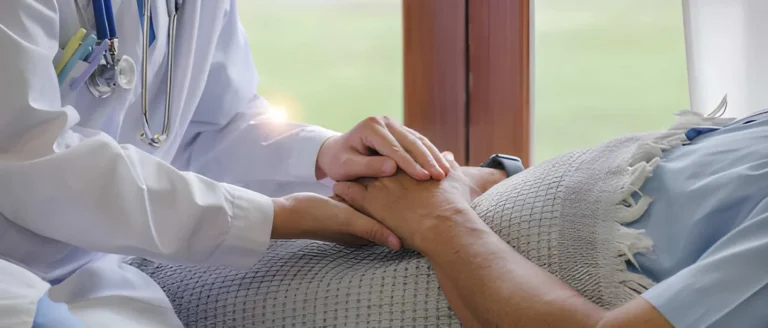
Hospice care at home allows seriously ill patients to receive full medical, emotional, and spiritual support without leaving the comfort of their own home. It is not a reduced form of care. It is a complete, coordinated approach delivered by a trained team of professionals who come to the patient. For most families, home based hospice means better comfort, more meaningful time together, and far less stress than a hospital or facility setting.
Most importantly, it is covered under Medicare, Medicaid, and most private insurance plans, making it an accessible option for families across the country.
What is Hospice Care at Home?
Hospice care at home is a Medicare certified program that brings end of life comfort care directly to a patient’s residence. This can be a private home, an apartment, an assisted living facility, or even a nursing home. The location matters less than the principle behind it: the patient receives care where they feel most at ease.
Home based hospice is not limited to medical visits. It is a complete support system that addresses physical symptoms, emotional wellbeing, spiritual needs, and family guidance all under one coordinated plan. The hospice team works together to ensure the patient is comfortable and the family feels supported at every stage.
This type of care begins when a physician certifies that a patient has a life expectancy of six months or less if the illness follows its natural course, and when the patient chooses comfort as the primary goal rather than curative treatment. Once enrolled, care begins quickly, often within 24 to 48 hours of the first call.

The Benefits of Hospice Care at Home
Families who choose home based hospice often describe it as one of the most meaningful decisions they made during this time. The benefits go well beyond medical convenience.
- Patients are more comfortable at home: Familiar surroundings, personal belongings, family presence, and daily routines all contribute to a calmer and more dignified experience. Studies consistently show that patients in home hospice report lower levels of pain and anxiety compared to those in hospital settings.
- Families stay more connected: When care happens at home, loved ones are present throughout rather than navigating visiting hours or hospital policies. This closeness matters deeply during the final chapter of life.
- Care is personalized: Hospital care follows institutional schedules. Home hospice follows the patient. Meal times, sleep routines, spiritual practices, and personal preferences are all respected and built into the care plan.
- Professional support is consistent: The hospice team visits regularly and remains available by phone around the clock. Families are never left wondering who to call or what to do when something changes.
- There is no financial burden for most families: Under the Medicare hospice benefit, home based care including nursing, medications, equipment, and counseling is covered at little to no cost. Medicare Hospice Benefits covers what is included and how billing works in practical terms.
Who is on the Home Hospice Care Team?
Home based hospice care is delivered by an interdisciplinary team, meaning multiple professionals work together to cover every aspect of the patient’s needs. A registered nurse is the primary clinical contact. The nurse visits regularly, monitors symptoms, manages medications, and adjusts the care plan as the patient’s condition changes. Between visits, the nurse is available by phone for any concerns that come up.
A hospice aide assists with personal care tasks such as bathing, grooming, dressing, and repositioning. These visits support physical comfort and help maintain the patient’s dignity on a day to day basis. A social worker supports the family emotionally and practically. This includes help with paperwork, advance care planning, family communication, and connecting families to community resources. Caregivers carrying emotional weight will also find practical guidance in Self Care for Caregivers.
A chaplain or spiritual care coordinator provides non denominational spiritual support for both the patient and family members. This service is available to people of any faith background and to those who do not identify with any religion. A hospice physician oversees the medical side of the care plan and works alongside the patient’s existing doctors to ensure continuity and comfort.
What Equipment and Medications Are Provided?
One of the most practical and often surprising aspects of home hospice is that medical equipment and related medications are delivered directly to the home as part of the covered benefit. Standard equipment typically includes a hospital bed, a bedside commode, a wheelchair or walker, a shower chair, and oxygen equipment if needed. Medications related to the primary diagnosis and comfort management are also covered. This includes pain medications, anti nausea medications, and medications to manage anxiety or restlessness.
Families do not need to source, arrange, or pay separately for these items. The hospice team coordinates everything, including delivery, setup, and adjustments as needs evolve. Getting the home ready before care begins is a step many families underestimate, and How to Prepare Your Home for Hospice Care walks through exactly what to do.
What Happens Between Hospice Team Visits?
The hospice team visits regularly but does not provide around the clock in person staffing under routine home care. This means a primary caregiver, usually a family member or close friend, takes on day to day support between scheduled visits. The hospice team prepares caregivers fully for this responsibility. Families are taught how to give comfort medications, how to reposition a patient safely, how to recognize signs of a change in condition, and what to do in an urgent situation. Written instructions are provided in clear, plain language.
The on call nurse line is available 24 hours a day, seven days a week. No family should ever feel alone in the middle of the night trying to make a decision without support. For families who need temporary relief from caregiving, respite care is available as part of the hospice benefit. This provides a short term inpatient stay so caregivers can rest. This option and others are explained in detail in Four Levels of Hospice Care.
Who Qualifies for Hospice Care at Home?
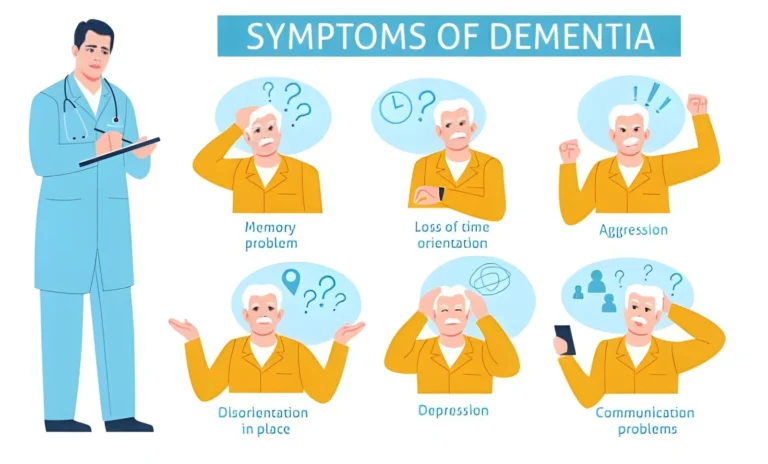
Eligibility for home based hospice care is straightforward. A patient must have a serious, life limiting illness with a prognosis of six months or less if the disease follows its expected course. The patient must also choose comfort focused care over curative treatment. Common diagnoses that qualify include cancer, heart failure, COPD, dementia, ALS, kidney disease, and liver disease, among others. Age is not a requirement. Both adults and children can receive home hospice care.
A physician, either the patient’s own doctor or a hospice medical director, must certify eligibility. The process is not complicated and the hospice team handles most of the paperwork. A full breakdown of the eligibility process is covered in How to Qualify for Hospice Care.
How Hospice at Home Supports the Whole Family?
Hospice care at home is not only for the patient. It is designed to support every person in the household. Social workers check in with caregivers regularly and help families process the emotional weight of the situation. Chaplains are available to anyone in the family who wants conversation, reflection, or spiritual support. Mental Wellbeing in Hospice Care explores what this emotional layer of support looks like and why it matters as much as the physical side of care.
Bereavement support continues after the patient passes. Hospice teams provide grief counseling and follow up contact for family members for up to 13 months after a loss. Knowing this support exists often brings comfort to families long before they need it.
Conclusion
Hospice care at home gives patients the comfort of familiar surroundings and the dignity of personalized care during one of life’s most profound transitions. At Sunset Hospice, our in home team provides nursing care in Cypress, aide services, pain and symptom management, emotional counseling, and spiritual support, bringing everything your loved one needs directly to your door. If your family is beginning to explore this option, we are here to answer your questions and help you take the next step with confidence and care.