Home Safety Tips for Caregivers: A Complete Guide
Home safety tips for caregivers are not optional extras. They are the foundation of safe, sustainable in-home care. Falls, medication errors, kitchen hazards, and bathroom accidents are among the leading causes of serious injury in patients receiving care at home. Most of these incidents are preventable with the right adjustments in place before something goes wrong.
This guide covers the most important home safety areas caregivers need to address, what to look for during a home assessment, and how to create an environment that protects both the patient and the caregiver delivering care.
Why Home Safety Matters in Caregiving?
The home environment is where most caregiving happens, and it is also where most preventable injuries occur. Adults over 65 experience over 36 million falls each year in the United States, and falls are the leading cause of both fatal and non-fatal injuries in this age group. The risk increases significantly when the person has a chronic illness, takes multiple medications, uses mobility aids, or has cognitive impairment from conditions like dementia or Alzheimer’s disease.
Caregivers who have not assessed the home for hazards are managing risks they cannot see. A loose rug in the hallway, a poorly lit bathroom, a cluttered pathway between the bedroom and the kitchen, these are not minor inconveniences. They are active hazards that can send a patient to the emergency room. A home safety assessment is not a one-time task. It is an ongoing responsibility that should be revisited as the patient’s condition changes.
If you are preparing for in-home hospice support, our blog on How to Prepare Your Home for Hospice Care covers the structural changes that create a safe environment for clinical care from day one.
Room by Room: Where Hazards Most Commonly Occur
Every room in the home carries different risks. Addressing them room by room is more effective than a general sweep because the hazards and the solutions are different in each space. The bathroom is statistically the most dangerous room in the home for older adults and patients with mobility limitations. Wet floors, slippery surfaces, and the need to step in and out of a tub or shower create fall conditions that are entirely preventable. Grab bars installed beside the toilet and inside the shower reduce fall risk significantly. A shower chair or bench removes the need to stand for extended periods.
The bedroom deserves equal attention, particularly for patients who get up at night. A hospital bed with adjustable height allows the patient to get in and out safely and gives the caregiver better access for personal care tasks. Bed rails provide grip and stability during transfers. A bedside commode eliminates the need for nighttime trips to the bathroom, which is when a significant proportion of falls occur.
The kitchen presents a different category of hazard. Patients with cognitive impairment should not use the stove unsupervised. Automatic stove shut-off devices are available and inexpensive. Sharp objects, cleaning supplies, and medications should be stored out of reach or behind locked cabinet doors for patients with dementia.
Fall Prevention: The Highest Priority in Home Safety
Falls are the single most important safety issue caregivers need to address, and fall prevention requires changes in multiple areas of the home simultaneously. Clear all walking pathways throughout the home. Remove or secure all area rugs. Secure electrical cords along walls rather than across floors. Ensure furniture is arranged to provide clear, wide paths between rooms the patient uses regularly. If the patient uses a walker or wheelchair, pathways need to be wide enough to accommodate the equipment without the patient having to maneuver awkwardly around furniture.
Footwear matters more than most caregivers realize. Patients should wear supportive, non-slip footwear inside the home at all times, not socks, not slippers with smooth soles. The right footwear reduces fall risk significantly even on surfaces that have already been assessed for hazards.
Lighting is equally important. Every area the patient moves through independently should be well lit, including staircases, hallways, and any transition between rooms. Motion-activated lights reduce the risk of the patient moving through a dark space before remembering to turn a light on.
Medication Safety at Home
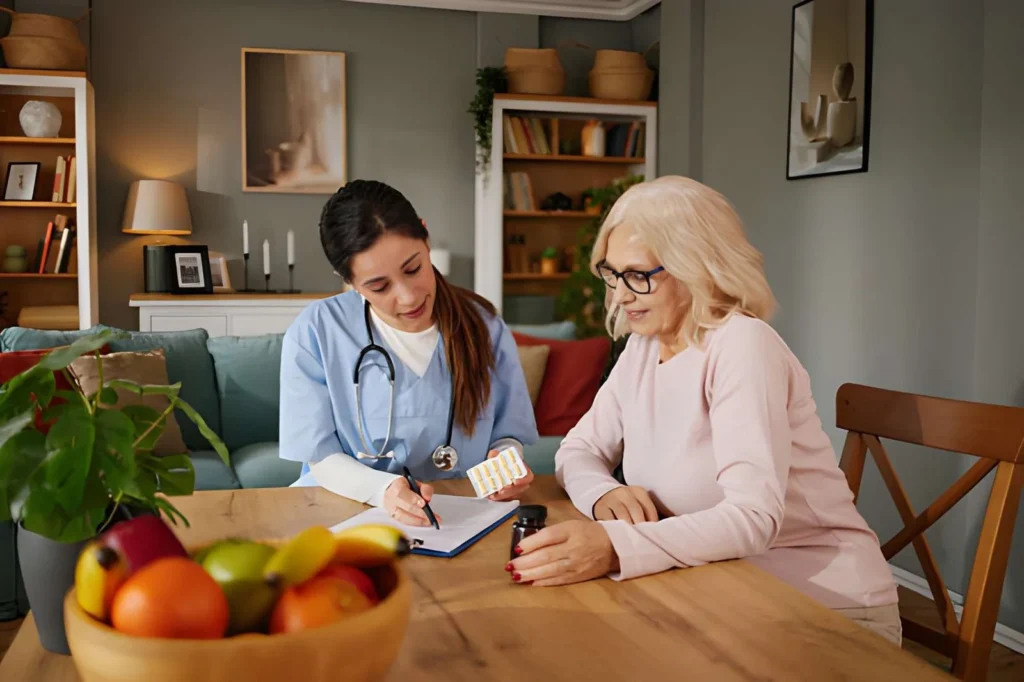
Medication errors are the second most common preventable safety incident in home care after falls. Patients receiving care at home often take multiple medications at different times of day. As illness progresses, memory and cognitive function decline, increasing the risk of missed doses, doubled doses, and confusion between medications. Caregivers managing medications manually, relying on the patient’s memory, or using an informal system are operating in a high-risk environment.
A weekly pill organizer is the minimum standard. A lockable medication cabinet is appropriate for patients with dementia who might access medications independently. Automated pill dispensers with alarms provide the most reliable protection for patients who manage part of their own medication routine. The hospice RN Case Manager reviews medications at every visit, adjusts the care plan as needed, and teaches caregivers how to administer comfort medications safely. For families just starting this process, How to Qualify for Hospice Care explains the eligibility criteria and what clinical support becomes available once care begins.
Infection Control and Hygiene Safety
Patients receiving in-home care are often immunocompromised, which means infection control is a genuine safety concern rather than a routine hygiene practice. Hand hygiene is the single most effective infection control measure available. Caregivers should wash hands before and after all personal care tasks, before and after handling medications, and after any contact with bodily fluids. Alcohol-based hand sanitizer should be accessible in every room where care is delivered.
Wound care is another area where infection risk is significant. Patients with limited mobility are at risk for pressure ulcers, which can develop quickly and worsen rapidly without proper repositioning and skin care. The hospice aide visits regularly to assist with personal care and skin assessment. Any wound that shows signs of redness, swelling, warmth, or discharge should be reported to the RN Case Manager immediately rather than monitored at home without clinical guidance.
Caregiver Safety: Often the Last Thing Addressed
Most home safety conversations focus entirely on the patient. Caregiver safety is equally important and almost universally overlooked. Caregivers who lift, transfer, and reposition patients without proper technique are at significant risk for back injury. Proper body mechanics, assistive devices like transfer belts and patient lifts, and knowing when to ask for help rather than managing a transfer alone are all part of caregiver home safety.
Beyond physical injury, caregiver safety includes recognizing the signs that the emotional and physical load has become unsustainable. Our blog on Signs of Caregiver Burnout covers the physical, emotional, and cognitive warning signs that caregivers typically miss because they are too focused on the person they are caring for to notice their own decline.
Addressing burnout early is not optional. A caregiver who reaches complete exhaustion cannot continue providing safe care. Our resource on Essential Tips for Long Distance Caregiving also addresses this dimension for caregivers who are managing care from a distance and carrying the additional emotional weight that comes with that situation.
Preparing the Home for Changing Care Needs
A home that is safe today may not be safe in three months as the patient’s condition changes. Home safety is not a one-time assessment. It requires ongoing attention as mobility declines, cognitive function changes, and the level of clinical support increases.
For families approaching the point where hospice care is being considered, the home environment needs to be assessed in terms of what the care team will need to do their job effectively. Space for a hospital bed, accessible pathways for medical equipment, and a functional layout for the aide during personal care visits are all part of that assessment. Hospice Care at Home covers what the day to day hospice care environment looks like and what equipment typically arrives before the first visit.
As the illness progresses into its final stages, the home environment becomes even more important. Understanding what physical changes occur during this period, covered in Hospice Care Stages of Death, helps families prepare the space and the routine in advance rather than reacting to each change as it happens.
Conclusion
Home safety for caregivers is an ongoing commitment that protects both the patient and the person delivering care. At Sunset Hospice, our RN Case Managers conduct home assessments, teach caregivers safe care techniques, manage medications, and provide hands-on guidance at every visit so families are never left managing a complex care environment without clinical support. If your loved one is approaching the point where in-home hospice care is the right next step, our team is available to answer questions, assess eligibility, and begin care within 24 to 48 hours of your first call.