
7 Stages of Dementia: Symptoms and What to Expect
The 7 stages of dementia provide a framework for understanding how cognitive decline progresses from no symptoms to complete dependence on others for daily care. Developed by Dr. Barry Reisberg, the Global Deterioration Scale helps families recognize changes, plan appropriate care, and know what to expect as their loved one’s condition advances. Each stage brings different symptoms, care needs, and challenges that families can prepare for in advance. Understanding these stages helps families make informed decisions about safety, medical care, and support services while maintaining dignity and quality of life throughout the journey.
How the 7 Stages of Dementia Help Families?
Dementia affects each person differently, but most people follow a similar pattern of changes over time. The 7 stage system helps families understand what is happening and what might come next. Doctors and nurses use these stages to track how the disease is progressing and to help families plan for future care needs.
The stages move from no noticeable problems to needing full time help with everything. Early stages may last for years with small changes that are easy to miss. Middle stages bring more obvious memory and thinking problems. Late stages require complete personal care and medical support. Knowing what stage your loved one is in helps you prepare for what they will need next.
Some people move through stages slowly over many years while others progress faster. Sudden illness, infections, falls, or hospital stays can make symptoms appear worse quickly. Understanding the difference between normal progression and sudden changes helps families know when to call the doctor versus when changes are part of the expected disease course.
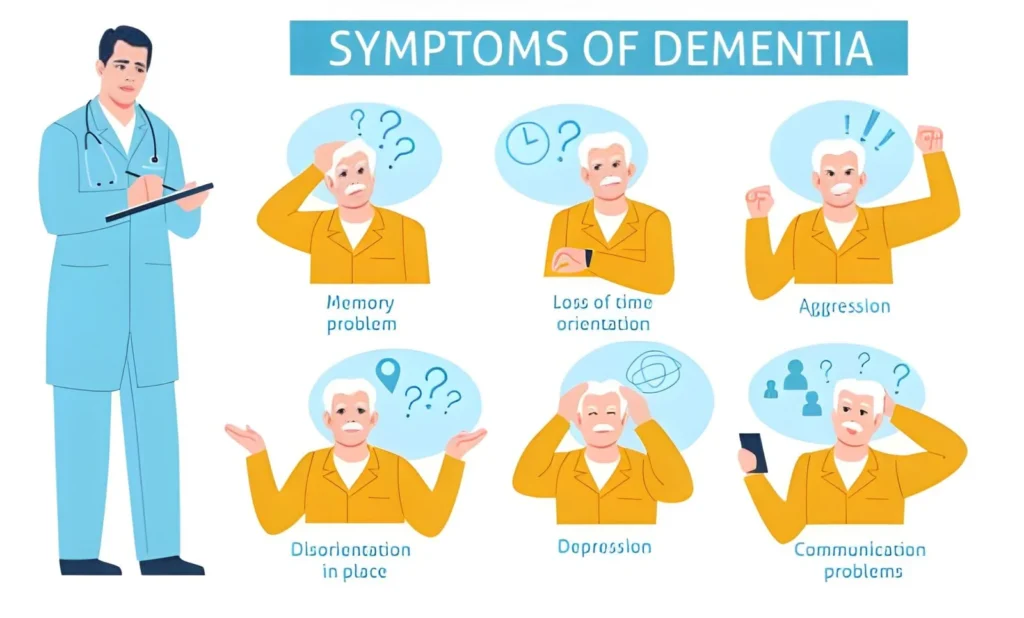
Early Stages of Dementia: Stages 1-3
The early stages often span several years and may be difficult to distinguish from normal aging until symptoms become more pronounced.
Stage 1 and 2: No Symptoms to Very Mild Decline
Stage 1 involves no cognitive impairment that family members or healthcare providers can detect, though brain changes related to dementia may already be occurring. People in Stage 1 function normally in all areas of daily life and show no signs of memory loss or confusion during medical examinations or family interactions.
Stage 2 brings very mild cognitive decline that most people and their families attribute to normal aging or stress. Occasional forgetfulness about names, where they placed everyday objects, or appointments may occur. These memory lapses do not interfere with work performance or social activities and may not be noticeable to anyone outside the immediate family.
Stage 3: Mild Cognitive Decline
Stage 3 marks the point where family members, friends, and healthcare providers begin noticing consistent changes in memory and thinking abilities. The person may get lost in familiar places, have difficulty remembering names of new people, perform poorly at work or in social settings, and lose or misplace valuable objects more frequently.
Reading comprehension may decline, concentration becomes more difficult, and planning complex activities becomes challenging. This stage typically lasts between two and seven years and is often when families first seek medical evaluation. Early diagnosis during Stage 3 allows families more time to plan for future care needs and have important conversations about preferences.
Middle Stages of Dementia: Stages 4-5
The middle stages require increased supervision and assistance with daily activities as cognitive decline becomes more significant.
Stage 4: Moderate Cognitive Decline
Stage 4 represents mild dementia where cognitive decline becomes clearly evident in daily life. People in this stage may have difficulty with complex mental tasks like managing finances, planning dinner parties, or remembering details about their personal history. They may become withdrawn from challenging social situations to hide their difficulties.
Simple arithmetic becomes difficult, recent events are hard to remember, and the person may deny that problems exist or become defensive about their abilities. Families often notice mood changes, increased anxiety, and resistance to help during this stage. This stage typically lasts about two years and marks when many families begin researching support services.
Stage 5: Moderately Severe Cognitive Decline
Stage 5 brings moderate dementia where people need help with many daily activities. They may be unable to remember their current address, telephone number, or the names of their grandchildren. However, they typically still remember their own name and the names of their spouse and children during this stage.
Personal hygiene requires prompting and assistance. Choosing appropriate clothing becomes difficult. Eating and toileting usually remain independent though some supervision may be needed. Confusion about time, place, and recent events becomes more pronounced. This stage lasts approximately eighteen months on average.
Late Stages of Dementia: Stages 6-7
The late stages require full time care and supervision as independence is lost in nearly all areas of daily living.
Stage 6: Severe Cognitive Decline
Stage 6 represents moderately severe dementia where personality changes become prominent and behavioral symptoms may emerge. The person requires substantial help with activities of daily living including bathing, dressing, and toileting. Sleep patterns often become disrupted and wandering may begin.
Memory continues to deteriorate and the person may no longer recognize close family members or may confuse them with other people from their past. Suspicions, delusions, repetitive behaviors, and anxiety may develop. This stage typically lasts about two and a half years and is when many families begin considering residential care or hospice care for dementia patients if medical criteria are met.
Stage 7: Very Severe Cognitive Decline
Stage 7 is the final stage of dementia where individuals lose the ability to speak coherently, walk without assistance, and control basic bodily functions. They require help with all personal care activities including eating, bathing, dressing, and toileting. Swallowing becomes difficult and aspiration pneumonia becomes a serious risk.
Motor skills continue to deteriorate and eventually the person may be unable to sit up without support. This stage typically lasts between one and two and a half years. Understanding what to expect when someone is dying helps families recognize when comfort focused care becomes the most appropriate approach during this advanced stage.
What Families Can Expect at Each Stage?
Family responsibilities and care demands change significantly as dementia progresses through each stage, requiring different approaches and support systems.
| Stage | Family Role | Care Needs | Duration |
|---|---|---|---|
| Stages 1-3 | Monitoring and support | Independence with reminders | Years |
| Stages 4-5 | Daily assistance | Supervision and hands-on help | 2-4 years |
| Stages 6-7 | Full-time caregiving | Complete personal care | 2-4 years |
Families should remember that this timeline represents averages and individual progression may be faster or slower. Reading about how fast Alzheimer’s progress can help families understand the factors that influence progression speed and timeline variations between different people.
Finding Dementia Care Support in Cypress and Surrounding Areas
As dementia progresses through the later stages, families often need additional professional support to manage increasing care demands safely at home. Recognizing when current care arrangements are no longer sustainable prevents crisis situations and allows families to plan transitions thoughtfully rather than during emergencies.
Signs of caregiver burnout become more common during Stages 5 through 7 when physical care demands increase significantly and behavioral symptoms may develop. Families in Cypress, Houston, and surrounding communities can access professional dementia care including nursing support, personal care assistance, respite services, and specialized hospice care when medical criteria are met. Home safety tips for caregivers become increasingly important as mobility and judgment decline throughout the progression.
How to Care for Someone With Dementia at Every Stage?
Supporting a loved one with dementia means adjusting your approach as their abilities change. In early stages, you can have normal conversations, share activities they enjoy, and include them in family decisions. As dementia progresses, communication becomes simpler but connection remains just as important.
During middle stages, focus on creating calm routines, using clear and simple words, and maintaining familiar activities they can still enjoy. Even in late stages when verbal communication is limited, gentle touch, familiar music, and your presence provide real comfort. The goal is always to preserve dignity and show love in ways they can still understand.
End of life planning conversations work best during early stages when your loved one can still express their wishes clearly. Physical comfort becomes more important in later stages, and families often need to learn how to recognize signs of pain or distress when their loved one can no longer speak. Grief support groups help families cope with the ongoing loss they feel as dementia changes their relationship long before death occurs.
Conclusion
The 7 stages of dementia provide a roadmap for understanding cognitive decline from earliest symptoms through end of life care needs. Each stage brings different challenges, care requirements, and opportunities for meaningful connection and support. Early recognition of stage progression helps families access appropriate resources, make necessary safety modifications, and have important conversations while their loved one can still participate in decisions about their future care. Sunset Hospice provides specialized dementia care including expert comfort management, behavioral symptom support, 24/7 nursing availability, personal care assistance, family caregiver education, and comprehensive bereavement services for families throughout Cypress and surrounding communities who are navigating the later stages of dementia with their loved one.