End of Life Planning: Essential Steps for Families
End of life planning takes six steps: start the conversation, sign the legal documents, confirm the coverage, choose the care setting, build a comfort plan, and divide the caregiving work. Families who finish these six steps stop guessing during emergencies and spend that energy on their loved one instead. None of it happens in one weekend. Most families begin with a single honest talk, write the answers down, then add one item each week.
This guide walks through every step in plain language, with the Texas forms, Medicare rules, and hospice questions families in Greater Houston ask most.
What Is End of Life Planning?
End of life planning is the process of recording a person’s medical wishes, legal decisions, coverage details, and comfort preferences before illness removes their ability to choose. It answers two questions ahead of time: what treatment does this person want, and who speaks when they cannot?
The result is a folder, not a single form: the advance directive, the medical power of attorney, insurance cards, a medication list, funeral preferences, and phone numbers for the physician and care team. Keep one copy at home, one with the doctor, one with the named agent.

The Six Steps of End of Life Planning
Each step builds on the one before it, so families can work through them in order or start with the one that feels most urgent right now.
Step 1: Start the Conversation Before a Crisis
The hardest part of end of life planning is the first conversation, not the paperwork. Choose a quiet afternoon at home instead of a hospital hallway. Ask three questions: what matters most to you now, where do you want to be cared for, and who should speak for you? Write the answers down the same day, since siblings often remember the same conversation differently.
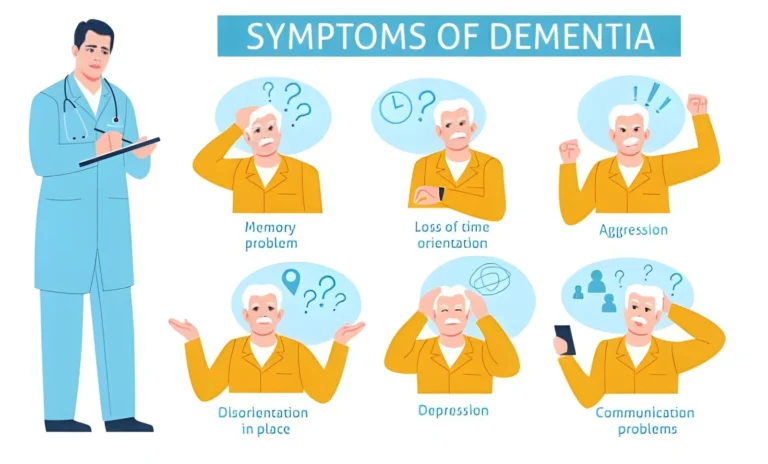
Timing follows the diagnosis. With dementia, the window for a real conversation narrows as the illness advances, and how fast Alzheimer’s can progress varies so widely between patients that the safest move is to talk in the first months after diagnosis. Advanced lung disease behaves differently. A patient with end stage COPD may survive several severe flare ups before one stops responding to treatment, so the plan gets revisited after every hospital stay.
Step 2: Put the Legal Documents in Place
Texas families usually need four documents. Each one does a separate job, and confusing them is the most common mistake we see.
| Document | What It Does | When It Takes Effect | Signing Requirement in Texas |
|---|---|---|---|
| Directive to Physicians | States what treatment a person wants or refuses near the end of life | After a physician certifies a terminal or irreversible condition and the patient cannot speak | Two qualified witnesses, or a notary |
| Medical Power of Attorney | Names one agent to make medical decisions | When a physician documents that the patient lacks capacity | Two witnesses, or a notary |
| Out of Hospital DNR | Tells EMS not to attempt resuscitation outside a hospital | On signing, and it travels with a DSHS form, bracelet, or necklace | Patient and attending physician |
| Durable Power of Attorney | Covers bank accounts, bills, and property, not medical care | On signing or on incapacity, based on the wording | Notarized |
Texas witness rules matter. The first witness cannot be the named agent, a relative by blood or marriage, a person entitled to part of the estate, or the attending physician. A directive signed by the wrong witness can fail at the exact moment a family needs it. Store the originals where paramedics can find them fast, often on the refrigerator door, and review the folder once a year and after every hospital stay.
Step 3: Confirm the Coverage and the Costs
Money worries keep families from asking for help months earlier than they should. Medicare hospice benefits run through Part A and pay for nursing visits, medications tied to the terminal diagnosis, medical equipment, supplies, and counseling. Coverage arrives in benefit periods: two of 90 days, then unlimited 60 day periods, with a face to face visit required before the third begins. Most services carry no charge to the family, though Medicare lists a copay of up to $5 per prescription for outpatient symptom relief drugs and around 5 percent of the approved amount for inpatient respite.
Room and board is the line item that surprises people. Hospice pays for the care, not the rent, so a patient living in a nursing facility still pays that facility. For families staying put, how much hospice care at home costs out of pocket usually comes down to two things: the housing arrangement and any treatment unrelated to the terminal diagnosis.
Step 4: Choose the Right Care Setting
Care needs shift over time, and a good plan names the setting that fits each stage. Hospice is not one service. The four levels of hospice care run from routine visits at home to continuous nursing during a symptom crisis, and a patient can move between those levels more than once in the same month.
1. Care at Home
Most patients want familiar rooms and familiar people, and hospice care at home is built for that. A nurse visits on a set schedule, an aide helps with bathing, equipment such as a hospital bed or oxygen concentrator arrives in the first days, and an on call nurse answers overnight.
Set the house up first. Families who prepare the home for hospice care pick a room near a bathroom, clear a wide path for a walker, and lock medications in one spot so doses never get doubled.
2. Short Stays and Respite
Some symptoms need round the clock clinical attention for a few days. What qualifies for inpatient hospice care is usually a problem that cannot be managed at home, such as pain that does not respond to oral medication, uncontrolled vomiting, or severe breathlessness.
Caregivers get a break too. Respite care covers up to five consecutive days in a contracted facility, which gives the primary caregiver time to sleep, travel, or recover from illness.
Step 5: Write a Comfort Plan, Not Just a Paper Plan
A strong end of life plan records how a person wants to feel, not only what treatment they decline. Pain management for terminal illness works on a schedule instead of on demand, because a steady dose holds pain down better than a rescue dose chases it. The care team adjusts doses as symptoms shift and teaches the family what to give and when to call.
Knowledge lowers panic at 2 a.m. The hospice care stages of death follow a broad pattern: appetite fades weeks out, sleep stretches longer, hands and feet cool, and breathing changes in the final days. Families who understand what to expect when someone is dying call the hospice nurse instead of dialing 911 and reversing the plan they built.
Step 6: Divide the Caregiving Work
The caregiver needs a written plan as much as the patient does. Split the duties before exhaustion forces it. One sibling manages medications, another handles insurance calls, another covers weekends. Long distance caregiving works when the out of state family member owns a real job, such as pharmacy refills, bill payment, or the nightly phone call, rather than checking in with advice.
A nurse, an aide, a social worker, and a chaplain all come through the same front door in week one, and the roles, rights, and choices in hospice are easy to confuse at that point.
Post a short caregiver sheet in the room:
- The medication schedule, written out by time
- One after hours number for nursing questions
- A named backup caregiver for every shift
- Bereavement contacts saved before they are needed
Bringing the Plan Together
End of life planning gives a family something solid to hold when everything else feels uncertain. Sort the documents, name the decision maker, confirm the coverage, then match the care setting to the stage.
Two questions usually come next. How to qualify for hospice care rests on a physician certifying a prognosis of six months or less if the illness follows its expected course. The difference in palliative care vs hospice care is timing, since palliative care runs alongside treatment meant to cure and hospice begins once that treatment stops.
The benefits of hospice care show up fastest in symptom control and caregiver relief. Before signing with an agency, the questions to ask when choosing a hospice provider should cover after hours response time, nurse visit frequency, and weekend coverage.
At Sunset Hospice, our team supports families in Tomball, Cypress, Spring, Magnolia, The Woodlands, and across Greater Houston with in home nursing, pain and symptom management, social worker guidance, chaplain services, 24/7 on call nursing, and bereavement support. Call 281-290-7600 to talk through care options for your loved one.