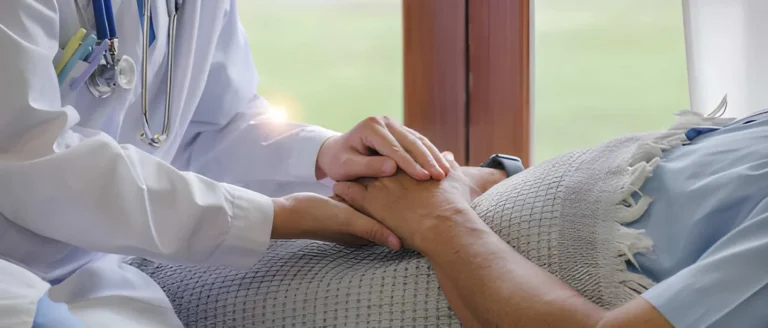
Pain Management for Terminal Illness: Complete Guide
Pain management for terminal illness focuses on controlling physical discomfort, emotional distress, and psychological suffering to improve quality of life during end stage disease. Effective pain control requires a combination of medications, non-medical comfort techniques, and professional medical oversight tailored to each patient’s specific condition and pain patterns. Terminal illness pain can be successfully managed at home with proper medical support, allowing patients to remain comfortable while spending meaningful time with family.
Understanding available pain relief options, when to adjust medications, and how to access professional support ensures no one suffers unnecessarily during their final months.
Understanding Pain in Terminal Illness
Pain during terminal illness differs significantly from acute pain because the goal shifts from healing to providing comfort and maintaining quality of life. Terminal illness pain often involves multiple types of discomfort occurring simultaneously and may worsen as the disease progresses.
Many families worry that strong pain medications will hasten death or cause addiction. These fears are largely unfounded when medications are prescribed by experienced hospice physicians who specialize in comfort care. The primary goal becomes keeping the patient comfortable enough to participate in meaningful activities and relationships for as long as possible.
Pain management for terminal illness also addresses the emotional and psychological aspects of suffering. Fear, anxiety, sadness, and spiritual distress can amplify physical pain, making comprehensive comfort care essential for effective pain relief.

Types of Pain in Terminal Illness
Terminal illness creates different categories of pain that require specific treatment approaches for optimal comfort.
1. Physical Pain Types
Somatic pain affects muscles, bones, and soft tissues and typically feels sharp, aching, or throbbing in specific locations. Cancer patients often experience somatic pain when tumors press against bones, muscles, or organs. This type of pain usually responds well to standard pain medications and positioning techniques.
Visceral pain originates from internal organs and often feels deep, cramping, or squeezing. Patients with liver disease, abdominal cancers, or end stage COPD may experience visceral pain that requires different medication approaches than surface pain.
Neuropathic pain results from nerve damage and may feel burning, shooting, or electric. Diabetic patients, those receiving chemotherapy, or patients with spinal cord involvement often develop neuropathic pain that requires specialized medications like gabapentin or pregabalin alongside traditional pain relievers.
2. Emotional and Psychological Pain
Terminal illness creates significant emotional pain including fear of death, sadness about leaving family, and anxiety about future suffering. This emotional pain can make physical pain feel worse and requires attention alongside medical pain management.
Spiritual pain involves questions about meaning, purpose, and what happens after death. Many patients find that addressing spiritual concerns through chaplain visits or meaningful conversations reduces their overall pain perception significantly.
Understanding what to expect when someone is dying helps families recognize that emotional and spiritual pain are normal parts of the terminal illness experience and deserve the same attention as physical symptoms.
Pain Assessment and Monitoring
Effective pain management requires regular assessment of pain levels, medication effectiveness, and side effect monitoring to ensure optimal comfort. Healthcare providers use standardized pain scales where patients rate their pain from zero to ten, with zero being no pain and ten being the worst imaginable pain. The goal for most terminal illness patients is maintaining pain at three or below on this scale.
Pain assessment also includes evaluating how pain affects daily activities, sleep, appetite, mood, and family relationships. A patient may rate their pain as five but if they can still enjoy visits with grandchildren and participate in light activities, the current pain management approach may be appropriate.
Regular medication reviews ensure that pain relief keeps pace with disease progression. Hospice care at home includes frequent pain assessment and medication adjustment by registered nurses who specialize in comfort care management.
Medication Options for Terminal Illness Pain
Multiple medication categories work together to provide comprehensive pain relief for terminal illness patients.
1. Opioid Pain Medications
Morphine remains the gold standard for severe terminal illness pain because it effectively controls multiple types of pain and can be adjusted easily as needs change. Long acting morphine provides steady baseline pain control while short acting morphine treats breakthrough pain episodes.
Fentanyl patches deliver continuous pain relief through the skin and work well for patients who cannot swallow pills consistently. Oxycodone and hydrocodone are alternative opioid options when patients do not respond well to morphine or experience intolerable side effects.
Families often worry about respiratory depression from opioid medications. When prescribed appropriately by hospice physicians, these medications improve breathing comfort rather than causing dangerous respiratory problems.
2. Non-Opioid Pain Relief Options
Anti-inflammatory medications like ibuprofen and naproxen reduce pain caused by swelling and inflammation around tumors or damaged tissues. These medications work well in combination with opioids and may allow for lower opioid doses.
Antidepressants including amitriptyline and duloxetine provide pain relief for neuropathic pain while also addressing depression and anxiety that often accompany terminal illness. Anti-seizure medications like gabapentin specifically target nerve pain that does not respond to traditional pain relievers.
Topical pain relievers applied to the skin can provide localized relief for surface pain without causing systemic side effects. These include lidocaine patches, capsaicin cream, and compounded topical medications mixed specifically for individual patients.
Non-Medical Pain Management Techniques
Physical and emotional comfort measures enhance medication effectiveness and provide additional pain relief without side effects. Heat and cold therapy can reduce muscle tension and inflammation that contributes to pain. Warm compresses, heating pads, and cool cloths applied to painful areas often provide immediate comfort alongside medications.
Gentle positioning and repositioning prevent pressure sores and reduce muscle stiffness that adds to baseline pain. Hospital beds, specialized mattresses, and positioning cushions help maintain comfort during extended bed rest.
Relaxation techniques including deep breathing, meditation, gentle music, and massage therapy help reduce anxiety and muscle tension that amplify pain perception. Family members can learn simple massage techniques that provide comfort through human touch and connection.
Pain Management in Different Terminal Conditions
Different terminal illnesses create specific pain patterns that require specialized management approaches tailored to each condition. Cancer pain varies significantly by cancer type and location. Hospice care for cancer patients includes expertise in managing bone pain, neuropathic pain from chemotherapy, and visceral pain from organ involvement. Radiation therapy and specialized procedures may provide pain relief even during hospice care.
End stage COPD often causes chest pain, muscle fatigue from labored breathing, and anxiety related to air hunger. Pain management for COPD patients focuses on reducing breathing effort, controlling chest discomfort, and managing the psychological distress of breathing difficulty.
Advanced dementia patients may experience pain they cannot verbally report. Families learning about stages of dementia should understand that behavioral changes like increased agitation or resistance to care may indicate unrecognized pain requiring treatment.
Pain Management Support Services in Cypress and Surrounding Areas
Families throughout Cypress, northwest Houston, and Harris County can access specialized pain management through local hospice programs and palliative care services. Professional pain management support in Cypress includes medication delivery, nursing visits, and 24/7 consultation for families managing terminal illness at home.
Understanding how to qualify for hospice care helps Cypress area families access expert pain management when comfort becomes the primary focus. Local hospice providers serve the entire northwest Houston region including Spring, Tomball, and surrounding communities with comprehensive pain control services.
Pain Management: Home vs Hospital Settings
Understanding the differences between home and hospital pain management helps families choose the most appropriate setting for their loved one’s comfort needs.
| Aspect | Home Pain Management | Hospital Pain Management |
|---|---|---|
| Medication access | Full range of comfort medications delivered to home | All medications available but may require IV access |
| Family involvement | Family learns pain assessment and comfort techniques | Limited family participation in pain decisions |
| Environmental comfort | Familiar surroundings, personal items, pets | Clinical environment, limited personalization |
| Response time | 24/7 phone support, nurse visits within hours | Immediate medical response for pain crises |
| Cost coverage | Fully covered under hospice benefits | May involve copays and insurance complications |
Conclusion
Pain management for terminal illness requires a comprehensive approach combining appropriate medications, non-medical comfort techniques, and expert medical oversight to ensure optimal quality of life during end stage disease. No terminal illness patient should suffer from uncontrolled pain when effective treatments are available through experienced hospice and palliative care providers.
Sunset Hospice provides specialized pain management for terminal illness including expert medication management, 24/7 nursing support, non-pharmacological comfort techniques, family education, and comprehensive symptom control that keeps patients comfortable while allowing meaningful time with loved ones throughout their final journey.