Hospice Care for Liver Failure: Signs of End Stage Cirrhosis
End stage cirrhosis shows itself through a handful of complications rather than through a single symptom. Fluid swells the abdomen, confusion comes and goes as toxins build in the blood, the skin and eyes turn yellow, and internal bleeding becomes a real risk. Each of these has a name doctors use, and families who learn those names can follow conversations about their loved one’s care. Hospice generally fits once the liver can no longer be supported and a transplant is off the table, either by choice or because the patient no longer qualifies.
Why Liver Failure Looks Different From Other Terminal Illnesses?
The liver does hundreds of jobs, so when it fails the whole body shows it at once. Blood cannot clot properly, toxins are no longer filtered, protein levels drop, and fluid escapes into the abdomen. Nothing stays in one organ, which is why the symptom list runs so long. Families often feel they are tracking five separate illnesses rather than one.
Decline tends to come in crashes rather than a steady slope. A patient can look reasonably well, then land in the hospital within days with confusion or bleeding, then recover much of that ground. Families find this pattern exhausting precisely because it keeps offering hope. Each recovery also tends to leave the patient slightly weaker than the last one did.
The transplant question also sits over everything. Some patients are on a waiting list, some were removed from it, and some were never eligible. Hospice becomes appropriate once transplant is no longer the plan, which is a conversation for the hepatologist rather than something a family should decide alone. Ask for that answer plainly, since everything downstream depends on it.

The Signs of End Stage Cirrhosis
Five complications define advanced liver disease, and most patients develop several of them. They also feed each other, so treating one often eases another.
1. Ascites: Fluid Build Up in the Abdomen
Fluid collects in the belly, sometimes many liters of it, until the abdomen is visibly distended and tight. Breathing gets harder because the fluid pushes up against the lungs, and sitting comfortably becomes difficult. Clothes stop fitting while arms and legs grow thinner at the same time.
Treatment starts with diuretics and a low sodium diet. When those stop working, a needle drainage called paracentesis removes the fluid directly, and many patients need it repeatedly. Hospice can continue drainage as a comfort measure when it relieves symptoms. Ask the agency about this specifically, since practices differ between providers.
Watch for fever, abdominal pain, or sudden worsening confusion. Infected ascites, known as spontaneous bacterial peritonitis, is a medical emergency and the hospice nurse needs to hear about it immediately. It can develop without any obvious trigger, so new abdominal pain always deserves a call.
2. Hepatic Encephalopathy: Confusion and Personality Change
Toxins the liver can no longer clear reach the brain, which produces confusion, disorientation, slurred speech, reversed sleep patterns, and sometimes agitation or hallucinations. Families often describe it as the person coming and going. Handwriting and simple arithmetic are usually the first things to slip.
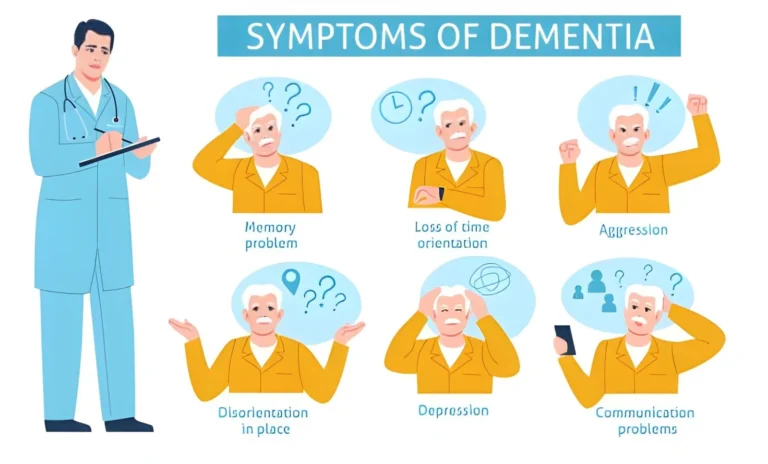
The confusion fluctuates, which distinguishes it from dementia. A patient may be fully lucid in the morning and unreachable by evening, then clear again the next day. Use the clear stretches for important conversations and decisions rather than putting them off.
Lactulose and rifaximin reduce the toxin load and often restore clarity. Constipation, infection, dehydration, and bleeding all trigger episodes, so treating those helps as much as the medication does. Lactulose works by producing bowel movements, so families should expect several a day and report it if they stop.
3. Jaundice and Severe Itching
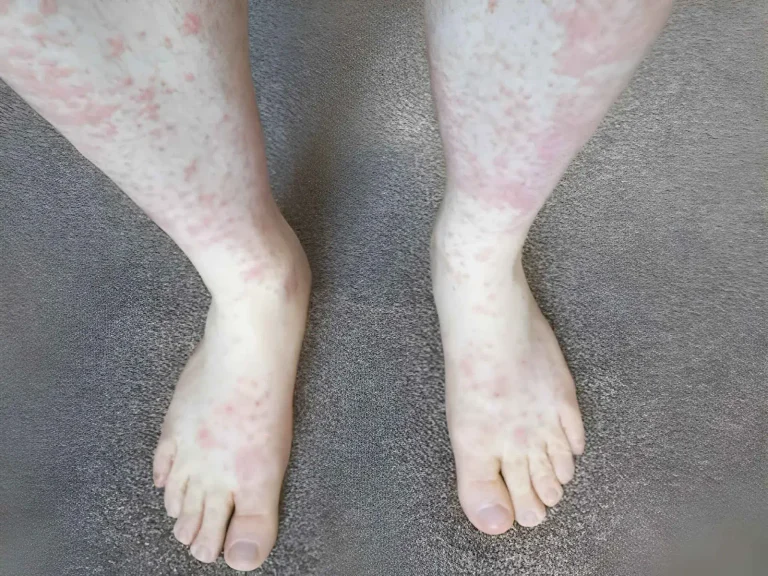
Bilirubin builds in the blood, turning the skin and the whites of the eyes yellow. Urine darkens and stools may lighten. The yellowing often appears in the eyes before anyone notices it in the skin.
Itching often troubles patients more than the color does. It can be intense enough to break sleep and the skin, and it rarely responds to ordinary moisturizers. Specific medications help, so tell the nurse rather than treating it with lotion alone. Many patients describe the itch as coming from underneath the skin rather than on it.
Keep nails short, use cool rather than hot water for bathing, and add unscented emollients after washing. Small measures combined usually work better than any single remedy. Soft cotton clothing and a cooler bedroom also help at night, when itching tends to be worst.
4. Bleeding and Bruising
The liver makes clotting factors, so bleeding risk rises as it fails. Patients bruise from light contact, bleed from the gums while brushing, and may have nosebleeds that take a long time to stop. Switch to a soft toothbrush and an electric razor early rather than after the first incident.
Variceal bleeding is the serious version. Swollen veins in the esophagus or stomach can rupture, producing vomited blood or black tarry stools. This is sudden, frightening, and the single most urgent event in liver disease. Not every patient experiences it, though every family should know what it looks like.
Discuss this possibility with the hospice team in advance. Knowing what to do, including which medications to give and whom to call, changes how a family handles the moment if it comes. Keep dark towels nearby if the team recommends it, since the sight of blood on white linen distresses people further.
5. Muscle Wasting and Weight Loss
Protein handling fails, so muscle breaks down even when the patient is eating. Arms and legs thin while the abdomen swells with fluid, which makes weight on a scale misleading. A patient can gain weight on paper while losing muscle everywhere.
Appetite also falls, partly because a distended abdomen leaves no room for food. Small frequent meals work better than three large ones, and a dietitian can suggest protein sources that do not worsen confusion. Older advice to cut protein sharply has largely been set aside, so ask rather than assuming.
This combination of wasting and fluid retention is one of the clearest markers of advanced disease. Report steady loss of muscle to the physician, since it factors into prognosis discussions. Grip strength and the ability to rise from a chair tell the story better than the bathroom scale.
Signs and Comfort Measures at a Glance
This table sets each complication beside the terms doctors use and what typically helps.
| Sign | Medical Term | What Usually Helps |
|---|---|---|
| Swollen, tight abdomen | Ascites | Diuretics, low sodium diet, paracentesis drainage |
| Confusion that comes and goes | Hepatic encephalopathy | Lactulose, rifaximin, treating constipation and infection |
| Yellow skin and eyes | Jaundice | Comfort measures, medication for itching, skin care |
| Intense itching | Pruritus | Prescribed medication, cool baths, unscented emollients |
| Easy bruising and bleeding | Coagulopathy | Soft toothbrush, fall prevention, a plan for bleeding events |
| Vomiting blood or black stools | Variceal bleeding | Urgent call to hospice, prepared comfort plan |
| Thinning limbs with a swollen belly | Sarcopenia | Small frequent meals, protein guidance, dietitian input |
Bring any new sign to the nurse rather than waiting. Most liver complications respond far better to early adjustment than to late rescue. Writing the medical terms down also makes the next specialist appointment far easier to follow.
When Hospice Becomes the Right Choice?
Eligibility rests on a physician certifying a prognosis of six months or less if the illness follows its expected course. For liver disease, the assessment usually weighs lab values alongside complications, since blood work tells much of the story here. That makes liver failure one of the more measurable hospice diagnoses.
Physicians look at how well blood clots, bilirubin levels, albumin, and kidney function, often combined into a score. Alongside that they consider ascites that no longer responds to treatment, repeated encephalopathy, prior variceal bleeding, infection history, and kidney involvement. How to qualify for hospice care covers how certification works in practice. No single number decides it, so ask the physician to explain the whole picture.
Transplant status matters more here than in most diagnoses. Patients who are not transplant candidates, who declined evaluation, or who have been removed from the list are the ones who most often qualify. Ask the hepatologist directly where things stand before making decisions. Families are sometimes unaware that a listing has already lapsed.
What Hospice Provides for Liver Failure Patients?
Care focuses on fluid management, mental clarity, itching relief, bleeding preparedness, and dignity. The nurse adjusts medications as labs and symptoms shift and teaches the family what each one does. Medication review matters unusually much here, since a failing liver changes how the body handles almost every drug.
Practical support arrives quickly. A hospital bed, a bedside commode, and other hospice medical equipment come through the benefit at no cost, and supplies are delivered on a schedule. Comfort medications are reviewed and adjusted as the liver’s ability to process them changes. A recliner that lets the patient sleep upright often helps when ascites makes lying flat difficult.
Intensity can increase without leaving home. The four levels of hospice care allow continuous nursing during a crisis such as a bleed or severe confusion, and pain management for terminal illness explains how medication schedules are built around comfort. A level change never requires moving the patient to a hospital.
Supporting a Family Through Liver Disease
Liver failure carries weight other diagnoses do not. Alcohol related cirrhosis often brings guilt, blame, and old family wounds into the room, and hepatitis related disease sometimes brings shame that nobody says out loud. Those undercurrents shape how a family copes long before the final weeks arrive.
Those feelings deserve attention rather than silence. A hospice social worker and chaplain can work with a family on exactly this, separately from the clinical care, and many families find that conversation more useful than they expected. Nobody on the care team is there to assign blame for how the illness began.
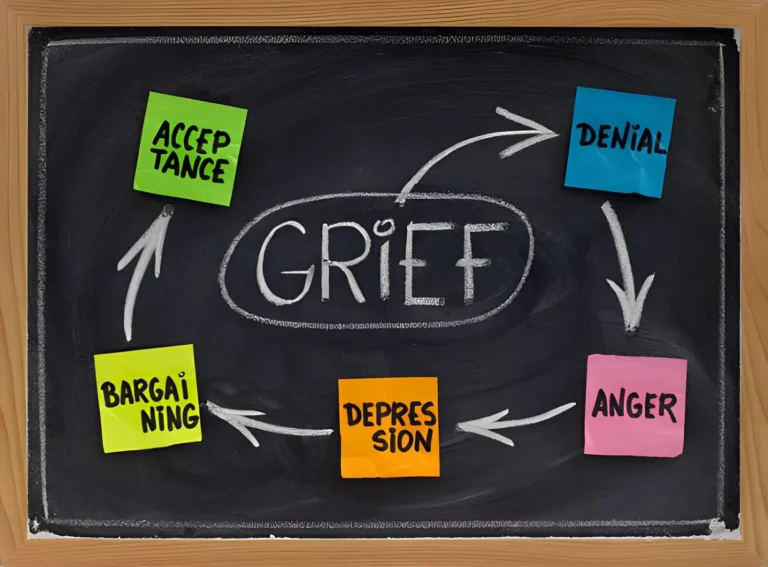
The confusion is its own grief. Families lose the person’s clarity in stages and often start mourning before the death, which the hospice care stages of death covers alongside the physical changes of the final weeks. Keep talking during the clear stretches, since those moments matter more than any of the practical tasks.
Questions Worth Asking Before Liver Failure Worsens
Liver disease moves in sudden drops, so the useful conversations happen while the patient is still clear and stable. Four questions are worth settling early, ideally written down with the answers beside them.
What happens if a serious bleed occurs at home, and what will the team do rather than calling 911. Will paracentesis drainage continue under hospice if the fluid keeps returning. Which medications will stay and which will stop, since the liver processes drugs poorly at this stage. And who should the family call first when confusion comes on suddenly in the middle of the night.
Sunset Hospice provides hospice care in Spring for patients with end stage liver disease, with in home nursing, symptom and comfort management, medical equipment and supplies, social worker and chaplain support, and a nurse reachable at any hour. Call 281-290-7600 to go through those four questions with our team or to request an eligibility assessment. We can also review current labs and symptoms to tell you where eligibility stands today.