
End Stage Heart Failure: Symptoms and Hospice Care
End stage heart failure announces itself through breathlessness that no longer improves with rest, swelling that creeps up the legs and into the abdomen, exhaustion from small tasks, and hospital trips that come closer together each time. Fluid is the common thread behind most of it. Medications that once worked begin to lose ground, and the heart cannot keep up with what the body asks of it. Hospice becomes appropriate once treatment stops holding symptoms back and the focus shifts to comfort, breathing, and staying out of the hospital.
Why Heart Failure Is Hard to Predict?
Heart failure does not follow a straight line down. Patients drop sharply during an episode of fluid overload, land in the hospital, respond to intravenous diuretics, and come home looking far better than they did a week earlier. That rebound is real, which is exactly why it misleads families. Each cycle leaves a little less behind, though. Function usually settles at a lower level after every hospitalization, and the gaps between episodes shrink over time. A patient who walked to the mailbox in spring may struggle to cross a room by autumn.
Doctors measure some of this with ejection fraction, the percentage of blood the heart pushes out with each beat. A low number matters, though it never tells the whole story on its own, since some patients function reasonably well with a weak heart while others deteriorate with a stronger reading. Symptoms and hospital history usually say more than the number does.
The unpredictability shapes how families should plan. Because any episode could be the one that does not reverse, important conversations belong on a good day rather than in an emergency room at two in the morning.
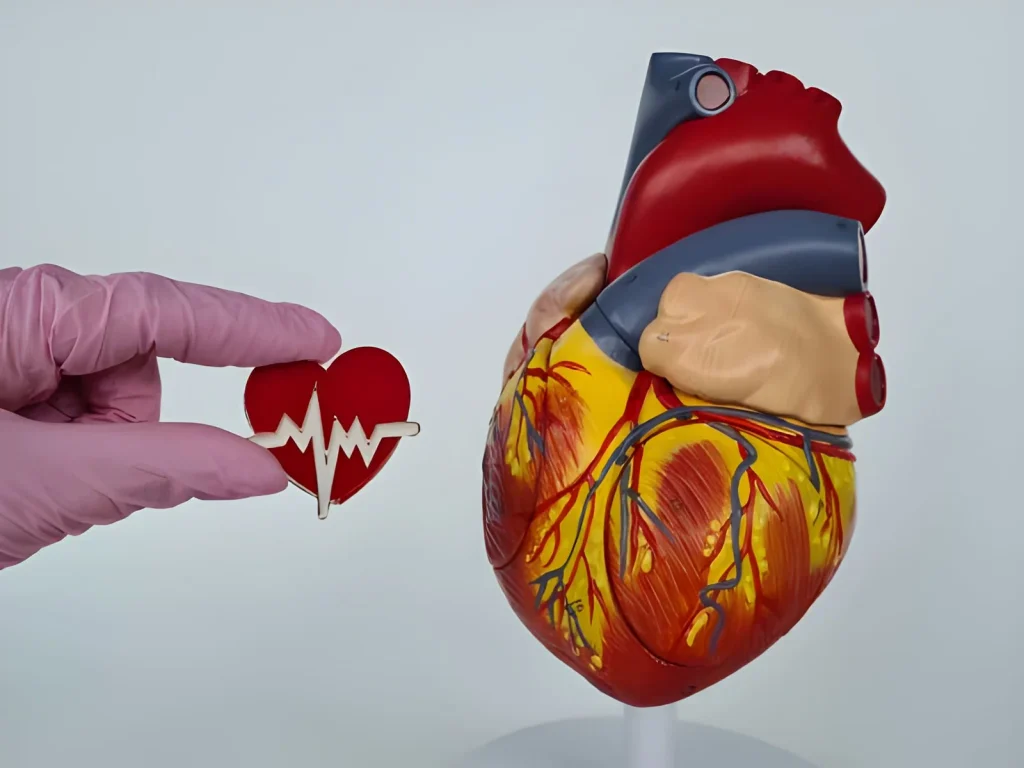
The Symptoms of End Stage Heart Failure
Six symptoms define advanced heart failure, and most patients live with several at once.
1. Breathlessness That Rest No Longer Fixes
Early in heart failure, breathlessness comes with exertion and eases when the patient sits down. In the end stage it stays, and patients feel short of breath while sitting still or even while talking. Lying flat becomes impossible for many. Fluid shifts toward the lungs when the body is horizontal, so patients prop themselves on several pillows or move to a recliner permanently.
Some wake suddenly at night gasping for air. This is paroxysmal nocturnal dyspnea, and it frightens families badly the first time it happens. The episode usually eases within minutes of sitting upright, though it signals fluid that needs attention. Low dose opioids reduce the sensation of air hunger, and pain management for terminal illness explains why a scheduled approach works better than chasing each episode.
2. Swelling in the Legs, Ankles and Abdomen
Fluid pools where gravity takes it, so ankles and feet swell first, then calves, then thighs. Press a thumb into the skin and the dent stays, which doctors call pitting edema. Fluid eventually reaches the abdomen, producing a tight, uncomfortable belly that leaves no room for food. Some patients develop fluid around the lungs as well, called a pleural effusion, which worsens breathing further and sometimes needs draining for comfort.
Daily weights catch trouble earlier than anything else. A gain of two or three pounds in a day, or five in a week, usually means fluid rather than food, and the care team can adjust diuretics before the patient ends up in an ambulance. Elevate the legs when sitting, limit salt carefully, and watch shoes and rings for tightness. Those small observations often reach the nurse before the patient feels any worse.
3. Exhaustion That Sleep Does Not Repair
Fatigue in end stage heart failure runs deeper than ordinary tiredness. Poor circulation means muscles receive less oxygen, so a shower, a meal, or a conversation can consume the whole morning. Patients begin to budget energy without being told to. They choose between getting dressed and going to an appointment, and visitors who stay too long cost them the rest of the day.
Families often read this as depression or giving up. It is usually neither. Space activities out, keep visits short, and let the patient nap without apology or guilt.
4. Appetite Loss and Weight Changes
Swollen abdomens, nausea from poor circulation to the gut, and medication side effects all push appetite down. Meals shrink and then stop being appealing at all. The weight picture gets confusing here. Muscle wastes away while fluid accumulates, so the scale may hold steady or rise while the patient is genuinely losing mass. Clothes and grip strength tell the truth better than numbers do.
Small frequent meals work better than three large ones, and favorite foods matter more than nutritional perfection at this point. Forcing food usually produces distress rather than nourishment.
5. Confusion and Dizziness
A heart that pumps poorly delivers less blood to the brain, producing fuzzy thinking, poor concentration, and sometimes real confusion. Standing up brings lightheadedness as blood pressure drops. Kidney function often declines alongside the heart, since the two organs depend on each other. That connection, called cardiorenal syndrome, complicates medication decisions, because the diuretics that clear fluid can also strain failing kidneys.
Fall risk rises with every one of these changes. Clear the paths, add night lighting, and keep a commode near the bed rather than asking the patient to cross a dark house.
6. Chest Pain and Palpitations
Many patients have angina alongside heart failure, especially those with coronary artery disease. Chest discomfort may come with exertion or at rest, and nitrates or other medications usually help. Irregular heartbeats are common too. Atrial fibrillation and other arrhythmias produce fluttering, racing, or a sensation of the heart skipping, and some patients find these more distressing than the breathlessness.
Report any new chest pain to the hospice nurse rather than assuming nothing can be done. Comfort medication, oxygen, positioning, and sometimes adjusting an existing drug all remain available.
Symptoms, Medical Terms and What Helps
This table pairs each symptom with the term clinicians use and the measures that usually bring relief.
| Symptom | Medical Term | What Usually Helps |
|---|---|---|
| Breathless at rest | Dyspnea at rest | Upright positioning, a fan, low dose opioids, diuretic adjustment |
| Cannot lie flat | Orthopnea | Hospital bed raised at the head, recliner, extra pillows |
| Waking at night gasping | Paroxysmal nocturnal dyspnea | Sitting upright, prompt diuretic review |
| Swollen legs and belly | Peripheral edema and ascites | Diuretics, leg elevation, salt limits, daily weights |
| Fluid around the lungs | Pleural effusion | Drainage for comfort when symptoms warrant it |
| Deep exhaustion | Fatigue from low cardiac output | Paced activity, short visits, uninterrupted rest |
| Confusion or dizziness | Reduced cerebral perfusion | Medication review, slow position changes, fall prevention |
| Racing or skipping beats | Arrhythmia | Comfort medication, reassurance, review of existing drugs |
Bring any new symptom to the nurse promptly rather than waiting for the next scheduled visit. Heart failure rewards early adjustment and punishes delay more than most diagnoses.
When End Stage Heart Failure Qualifies for Hospice?
Eligibility rests on a physician certifying a prognosis of six months or less if the illness follows its expected course. For heart failure, the assessment focuses on symptoms at rest, response to treatment, and recent hospital history rather than on any single test result.
Physicians generally look for significant symptoms while the patient is at rest, despite being on the best tolerated combination of medications. Low ejection fraction supports the picture, and so do repeated hospitalizations, worsening kidney function, low blood pressure that limits further treatment, and resistant arrhythmias. How to qualify for hospice care explains how certification and recertification work.
One point confuses families often. Patients can keep taking their heart medications on hospice. Diuretics, beta blockers and others continue when they contribute to comfort, and the team adjusts rather than stops them. Hospice is not a decision to abandon treatment. Timing is where most families lose ground. Heart failure patients are referred later than almost any other diagnosis, often in the final days, and families who enroll earlier consistently report wishing they had done it sooner.
Devices, Defibrillators and Difficult Choices
Many heart failure patients carry an implanted device, and this is the conversation almost nobody has in advance. An implantable cardioverter defibrillator, or ICD, delivers a shock when it detects a dangerous rhythm. That shock saves lives earlier in the disease. At the very end of life it can fire repeatedly during the natural dying process, which is painful and distressing for the patient and traumatic for the family watching.
The shocking function can be switched off without surgery, usually with a programming device in a single visit, while pacing functions continue if they provide comfort. Deactivation does not cause death and does not stop the heart. It prevents unnecessary shocks during dying.
Raise this with the cardiologist and the hospice team early rather than during a crisis. Many families only learn the option existed afterward, which is a preventable regret.
What Hospice Provides for Heart Failure Patients?
Care centers on breathing, fluid balance, energy conservation, and keeping the patient out of the emergency room. The nurse tracks weights and symptoms, adjusts medications with the physician, and teaches the family what each change means. Equipment arrives quickly and makes daily life manageable. A hospital bed that raises at the head, oxygen, a bedside commode and other hospice medical equipment come through the benefit at no cost, ordered by the nurse rather than purchased by the family.
Care can intensify without a hospital admission. The four levels of hospice care allow continuous nursing at home during an episode of severe breathlessness, and what qualifies for inpatient hospice care explains when a short facility stay serves the patient better.
The team also plans for crises in advance. Families know which medication to give for sudden breathlessness, who to call, and what to expect, which is what keeps a frightening night at home instead of in an ambulance.
Helping the Family Through Heart Failure
Caregiving for heart failure means living on alert. Episodes arrive suddenly, and families describe never fully relaxing because the next crisis could begin at any hour. Practical support lightens that load. Aide visits handle bathing and personal care, respite offers the primary caregiver up to five consecutive days of rest, and a social worker takes on the paperwork and benefit questions that pile up.
Repeated near death episodes carry their own cost. Families grieve each crisis, recover when the patient rebounds, then grieve again, and that cycle wears people down in a way a single decline does not. Understanding the hospice care stages of death helps families recognize when a crisis is different from the ones before it. Bereavement support continues after the death as part of the benefit, including grief support groups and counseling for as long as a family needs it.
Three Conversations to Have on a Good Day
Heart failure gives families better days and worse ones, and the better days are when the useful planning happens. The first conversation is about the device, if there is one. Decide in advance if the defibrillator function stays on, and write that decision down where the care team can find it.
The second is about the hospital. Agree on what happens during a breathing crisis, including who gets called first and under what circumstances the patient would want to go back and under what circumstances they would not.
The third is about what matters most. Some patients will trade alertness for comfort and others want the opposite, and knowing which one you are dealing with changes how the team manages medication in the final weeks.
Sunset Hospice provides hospice care in Magnolia for patients with end stage heart failure, with in home nursing, breathing and symptom management, medical equipment and supplies, aide visits, social worker and chaplain support, and a nurse reachable at any hour. Call 281-290-7600 to work through those three conversations with our team or to ask where eligibility stands today.