Spiritual Care in Hospice: What Cypress Families Can Expect
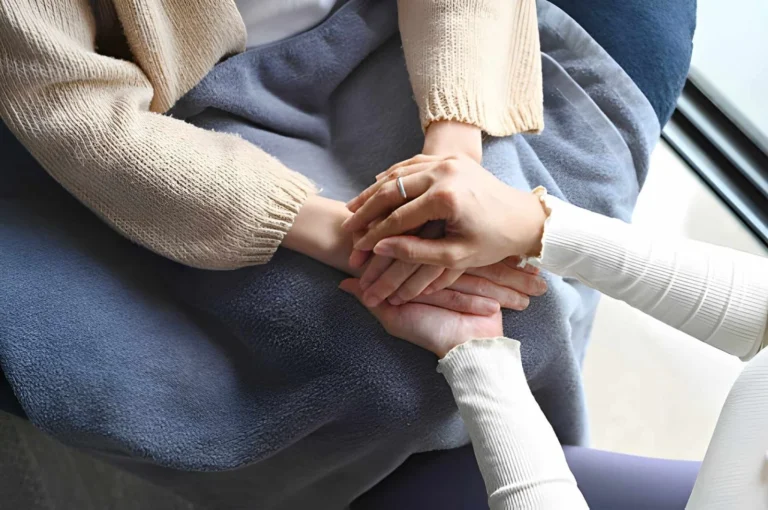
Spiritual care in hospice means a trained chaplain visits the patient and family to help with the questions medicine cannot answer: meaning, regret, forgiveness, fear, and what comes next. It is part of the hospice benefit, it costs the family nothing extra, and it belongs to people of every faith and to people of none. In Cypress homes, that support usually looks like a quiet conversation at the bedside, a prayer if the family asks for one, or help reaching their own pastor, priest, imam, or rabbi.
This guide explains what the chaplain does, what the first visit feels like, and how to ask for the support your family actually wants.
What Is Spiritual Care in Hospice?
Spiritual care in hospice is emotional and existential support provided by a chaplain who is trained to work with dying patients and their families. The chaplain listens, sits with hard questions, and helps a person find peace on their own terms. No topic is too small or too strange for that room.
The word “spiritual” throws some families off. It does not require religion. A man who has never attended a service in his life may still want to talk about his marriage, his regrets, or what his children will remember of him. That conversation is spiritual care, and it counts just as much as a prayer does.
Nothing is pushed. A hospice chaplain who tries to convert a patient is doing the job wrong. The patient sets the direction, and the chaplain follows it, even when that means sitting through an hour of silence.

What a Hospice Chaplain Does?
The work is quiet and personal, and it changes as the illness progresses. Early visits tend to focus on who the patient is, while later ones deal with the questions that surface once time runs short.
1. The First Visit
The chaplain usually calls before coming and keeps the first visit short. Expect questions about the patient’s background, traditions, and what brings them comfort. Families often use this visit to say what they want left alone, and a good chaplain writes those boundaries down.
Some patients decline the visit entirely. That answer is respected and revisited later, since people change their minds as their situation changes. A patient who says no in March may ask for the chaplain by name in June.
2. Ongoing Support
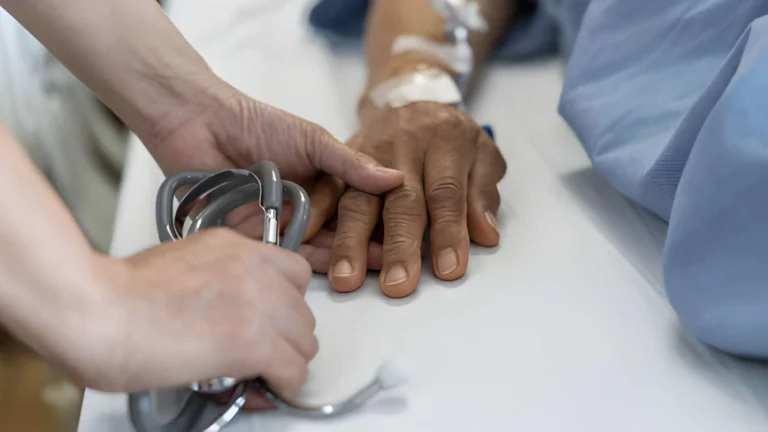
Visits happen on a schedule the family helps set, often every week or two. A chaplain may read scripture, sit in silence, play a hymn, record a life story, or talk about fishing for an hour. The content matters less than the steady presence of someone who is not there to check vital signs.
Practical help falls here too. Chaplains coordinate with a family’s own clergy, arrange a baptism or anointing, help write a letter to a grandchild, or set up a phone call with a relative who cannot travel. Those small tasks often close the loops that weigh on a patient most.
3. Support for the Family
Spiritual care in hospice covers everyone in the house, not only the patient. Adult children carry guilt. Spouses carry exhaustion. Grandchildren ask questions nobody wants to answer out loud, and the chaplain can help parents find words that fit a child’s age.
A chaplain also helps with the funeral or memorial service, and support continues after the death through the bereavement program. Families in Cypress often keep that connection for months after the hospice team has gone.
Who Provides What on the Care Team?
Families often confuse the chaplain with the social worker, so this comparison helps.
| Team Member | What They Handle | When to Ask for Them |
|---|---|---|
| Hospice chaplain | Meaning, faith, fear, forgiveness, rituals, memorial planning, coordination with your own clergy | When the questions are about peace, purpose, or belief |
| Social worker | Paperwork, benefits, family conflict, advance directives, community resources, care transitions | When the problem is practical, financial, or between family members |
| Nurse | Pain, breathing, medication changes, physical symptoms, teaching caregivers | When the body needs attention |
| Your own clergy | Sacraments, congregational support, the traditions your family already knows | Any time, and the hospice team can help make the connection |
The chaplain never replaces a family’s own pastor, priest, imam, or rabbi. In most cases the chaplain works alongside them, since a hospice team can visit on a Tuesday afternoon when a busy congregation cannot. Many families use both, and the two roles rarely overlap in practice.
Spiritual Care for Every Belief in Cypress
Cypress families come from many traditions. Northwest Harris County holds large Catholic and Baptist congregations, growing nondenominational churches, and Muslim, Hindu, and Jewish families spread across neighborhoods like Bridgeland, Towne Lake, and Coles Crossing. A hospice team serving this area meets all of them in the same week.
A hospice chaplain trains to serve across that range. The role calls for someone who can sit respectfully in a home that prays five times a day and a home where nobody prays at all. Training programs for chaplains focus on listening far more than on doctrine, which is what makes that range possible.
Families who want no chaplain involvement can decline. Families who want their own traditions honored should say so early, since some rituals near the end of life are time sensitive and need advance planning. Ask about this when you first arrange hospice care in Cypress, rather than during a crisis at 3 a.m.
How Spiritual Care Fits the Rest of Hospice?
Spiritual care is not an add on service. Medicare requires counseling services, including spiritual counseling, as part of the hospice team, which is one reason Medicare hospice benefits cover chaplain visits with no separate charge to the family. The chaplain sits in the same team meetings as the nurse and the social worker, so what a patient shares can shape the whole plan of care.
That support follows the patient across settings. A chaplain visits during hospice care at home in Cypress, and the visits continue if care shifts to another level. The four levels of hospice care describe how a patient moves between routine home care and more intensive support, and spiritual care travels with them each time.
Understanding the whole team makes the first week easier. The roles, rights, and choices in hospice trip up most families at the start, when four different professionals introduce themselves in three days. Write down each name and role on the first visit, because that list becomes the family’s reference for months.
What to Expect Near the End?
Chaplain visits often increase in the final weeks, and the conversations change. Patients may review their lives, ask for forgiveness, or speak to people who are not in the room. Those moments unsettle families who were not warned, and the hospice care stages of death cover what else tends to happen physically during that period. Families who read about what to expect when someone is dying handle the final days with more calm and fewer emergency calls.
Support does not stop at the death. Bereavement care typically continues for the family for up to 13 months, and many families find that grief support groups hold the weight the first few months put on them. The benefits of hospice care that families mention most often are the ones nobody bills for: a chaplain who stayed late, a nurse who answered at 2 a.m.
Asking for the Support You Want
Say what you need. The team cannot read minds, and three simple requests make a real difference:
- Tell the chaplain your family’s tradition, or that you have none
- Name anything you want left out of visits
- Ask the team to contact your own clergy if you want them involved
Families arranging in home hospice care in Cypress can raise all three during the first assessment, long before a chaplain knocks on the door. The earlier the team knows, the better the fit from the very first visit.
At Sunset Hospice, our chaplain services, social worker guidance, in home nursing, pain and symptom management, 24/7 on call nursing, and bereavement support serve families in Cypress, Tomball, Spring, Magnolia, The Woodlands, and across Greater Houston. Call 281-290-7600 to ask about spiritual care or to talk through care options for your loved one.